4 Powerful Ways CFOs Use Financial Dashboards to Drive Growth
Financial dashboards are everywhere, but very few actually help leaders make better decisions. On Christmas Eve, when most executives pause to reflect on the year behind them and quietly prepare for the one ahead, clarity matters more than ever. This is the moment when CFOs separate noise from insight—using dashboards not as reporting outputs, but as decision tools that guide cash, growth, and confidence into the new year.
For CFOs, dashboards are not just reporting tools. They’re decision tools. When designed correctly, financial dashboards bring clarity, focus, and alignment. When designed poorly, they overwhelm teams and distract leadership with numbers that feel important but change nothing. After something happens, most people mistake understanding in hindsight with foreknowledge. It’s easy to think, “oh yeah, that’s what I would have expected.” Real insight comes from establishing metrics, making assumptions about future performance, and then tracking real-time results against those assumptions—so you learn how your business actually works.
Last week’s blog post, 7 Critical Year End Mistakes That Can Cost You Big in 2026, explored how reactive financial management leads to avoidable risk. This week, we go deeper into how proactive CFOs use financial dashboards to stay ahead.
Why revenue is not the best KPI
Revenue is often the headline metric in financial dashboards, but revenue alone rarely tells the truth about business health. High revenue can hide serious problems like shrinking margins, cash shortages, or unsustainable growth.
CFOs know that revenue without context can be misleading. A company can grow top-line numbers while burning cash, extending receivables, or eroding profitability. That’s why strong financial dashboards move revenue out of the spotlight and put it into relationship with other metrics.
The most effective financial dashboards treat revenue as one input, not the outcome. They connect revenue to cash flow, margins, and operating efficiency. This shift helps leadership focus on sustainability instead of short-term wins.
Vanity metrics vs actionable metrics
One of the biggest mistakes companies make is filling dashboards with vanity metrics. Vanity metrics look good in presentations but don’t change behavior.
Examples include total revenue without margin context, total customers without lifetime value, churn or month-over-month growth without cash impact. These numbers feel reassuring but rarely lead to clear action.
Actionable metrics are different. They answer specific questions and prompt specific decisions. CFO-designed financial dashboards prioritize metrics that trigger conversations like:
Should we slow hiring?
Should we renegotiate vendor terms?
Should we adjust pricing?
Should we accelerate collections?
Dashboards that matter are built around decisions, not admiration.
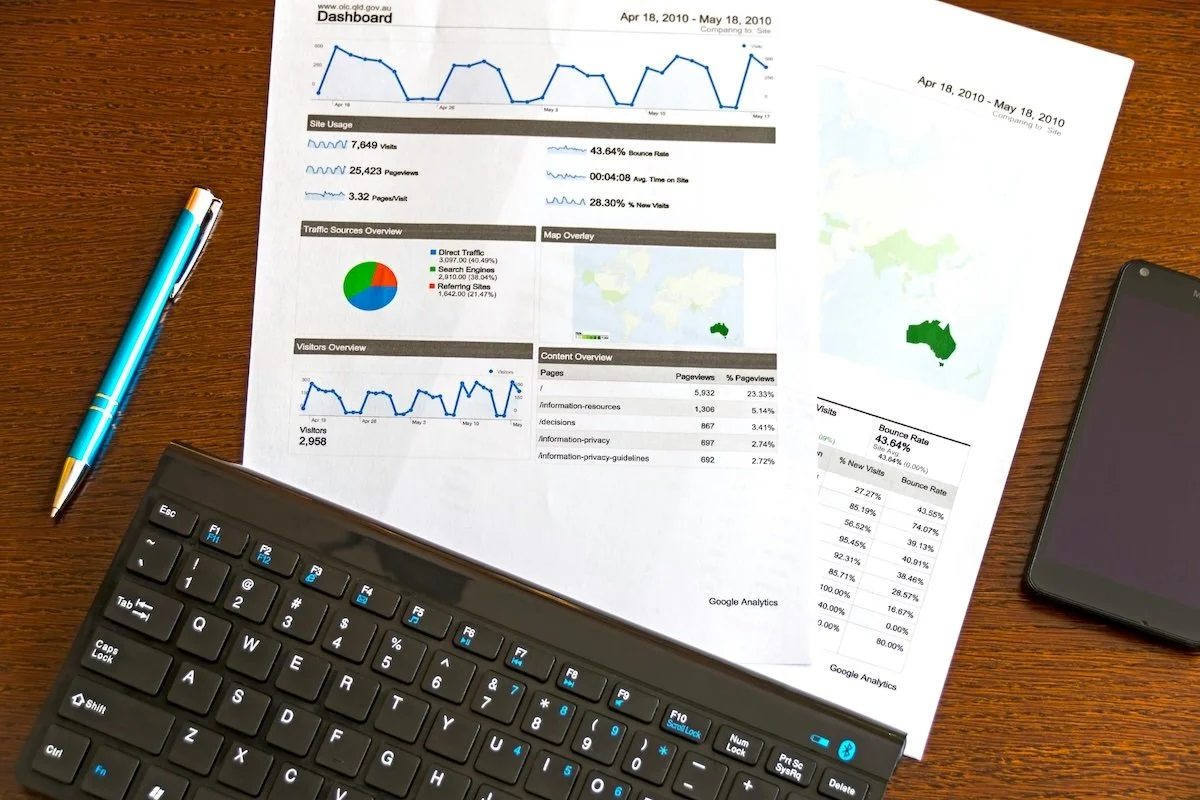
Key financial dashboards CFOs actually use
Strong CFOs don’t build one giant dashboard. They build focused financial dashboards that answer specific operational questions.
Cash runway dashboard
Cash is the ultimate constraint in any business. A cash runway dashboard shows how long the company can operate under current conditions. It connects cash balance, burn rate, and forecasted inflows.
This view becomes even more powerful when enhanced with A.I.-driven forecasting. A.I. can model changes in hiring, pricing, or sales velocity to show how runway shifts under different assumptions. CFOs use this to test decisions before they’re made—so the dashboard drives action, not anxiety.
Margin dashboard
Margins reveal whether growth is healthy. A margin dashboard breaks down gross margin, contribution margin, and operating margin by product, customer, or channel.
Instead of looking at averages, CFOs use this to identify where profits are created and where value is leaking. A.I. tools can flag anomalies and predict margin pressure before it shows up in the financial statements—making your reporting system more proactive.
Receivables aging dashboard
Revenue doesn’t pay the bills. Cash does. A receivables aging dashboard shows how quickly customers actually pay.
This is one of the most actionable financial dashboards a CFO can build. It highlights collection risk, customer behavior trends, and the real cost of extended terms. With A.I., finance teams can score customers based on payment risk and prioritize collection efforts more strategically.
Growth scenarios dashboard
Growth without planning creates chaos. A growth scenarios dashboard models what happens if the business grows faster, slower, or differently than expected.
CFOs use this dashboard to show leadership the downstream impact of growth decisions on cash, staffing, and infrastructure. A.I. enhances this by running thousands of scenarios quickly, allowing CFOs to focus on strategic implications instead of manual modeling.

How CFOs design dashboards that drive decisions
Great financial dashboards aren’t built by asking what data is available. They’re built by asking what decisions leadership needs to make.
CFOs follow a few core principles when designing financial dashboards that matter.
First, they limit the number of metrics. More data does not equal better insight. CFOs curate dashboard views to include only what supports decision-making.
Second, they design around questions, not departments. Instead of separate views for finance, sales, and operations, CFOs build dashboards around themes like cash health, profitability, and growth readiness.
Third, they combine historical, current, and forward-looking data. Financial dashboards that only look backward are reporting tools. Dashboards that incorporate forecasts and scenarios become strategic tools.
Finally, CFOs integrate A.I. carefully. A.I. isn’t there to replace judgment. It’s there to surface patterns, predict outcomes, and reduce manual effort so leaders can focus on strategy.
Why financial dashboards reduce overwhelm
Executives are drowning in data. Financial dashboards designed by CFOs create relief by simplifying complexity.
When leadership trusts the dashboard, meetings become shorter, decisions become faster, and alignment improves. Instead of debating numbers, teams debate strategy.
This is the difference between dashboards that impress and dashboards that matter.
Final thought
Financial dashboards are not about visibility. They’re about control. CFOs who build financial dashboards correctly help companies avoid the mistakes we highlighted in last week’s post and move into 2026 with confidence instead of correction.